
How to Open an Online Casino in 2026: Launch Guide

Digital gambling remains one of the most attractive business opportunities for entrepreneurs looking to enter the iGaming industry. The sector attracts both established companies and newcomers because a well-built project can reach users across different markets, devices, and payment preferences.
At the same time, a successful launch is never just about the website. Future operators need a business plan, legal structure, reliable software, payment processing, games, marketing, customer support, and risk controls. When these elements are prepared in the right order, the project has a much better chance of growing after launch.
2WinPower works with entrepreneurs who want to launch or upgrade iGaming projects through turnkey and White Label software solutions. If you plan to launch a gambling brand in 2026, expert guidance can help you avoid costly mistakes from the very beginning.
Order a casino site from the world's leading service aggregator, 2WinPower.
Key Steps to Starting Your Gambling Business
A strong project begins with a clear plan. Operators should understand which market to enter, which licence to obtain, which product model to choose, how to accept payments, and how to attract their first players.
A practical launch plan usually includes the following stages:
- Analyse the market and the target audience.
- Choose the jurisdiction and licensing route.
- Register a legal entity and prepare the financial infrastructure.
- Build a compliance and risk-control framework.
- Select casino software and the platform model.
- Set up payment processing.
- Add games, bonuses, and additional features.
- Prepare marketing and affiliate channels.
- Organise customer support, retention, and anti-fraud workflows.
- Test the product before public launch.
This sequence helps the team move step by step. It also reduces complexity because each decision supports the next one.
Gambling Market Analysis
Research should begin with a focused review of target regions. A broad view of global market growth is useful, but it does not tell operators where to launch, how much to invest, or what risks to expect.
The first task is to compare potential markets based on licence availability, taxes, competition, payment habits, advertising restrictions, and compliance requirements. After that, the team should define the player profile. This includes age groups, preferred devices, favourite games, bonus expectations, local languages, and payment methods.
This information helps operators choose the right business model. It also supports pricing, positioning, acquisition planning, and product design.
Target Market Selection
Each region has its own logic. Some countries offer clear licensing routes for private operators. Others allow limited activity, rely on local partners, or remain in a grey area. There are also markets where gambling is prohibited, and serious businesses should avoid them.
Before any technical work begins, operators should understand whether the chosen market supports legal gambling activity. This review should include local regulations, tax burden, required documents, banking access, and likely marketing restrictions.
Player Profile
Users in different regions behave differently. In one market, players may prefer mobile-first access and instant payments. In another, desktop traffic, bank cards, and classic slots may play a greater role.
A casino product should reflect these habits. The wrong game mix, unclear payment flow, weak localisation, or unsuitable bonus structure can hurt conversion even when the platform itself performs well.
Licensing and Legal Setup
Legal preparation is one of the most important parts of launching an online casino. An online casino cannot be treated like a regular entertainment website because gambling is subject to licensing, financial checks, player protection requirements, and anti-money laundering controls.
Licences are issued by different jurisdictions. Some are international and support broader operations, while others are tied to a specific country or region. The market has been moving towards local regulation for several years, which means operators need to focus on long-term market access rather than quick approval.
Key factors when comparing licensing routes:
- application timeline;
- initial costs;
- market reputation;
- tax exposure;
- local substance requirements;
- advertising restrictions;
- payment restrictions;
- responsible gambling obligations;
- reporting requirements;
- software certification.
The right licence should match the brand’s target market and long-term growth strategy. A faster route may look attractive at the beginning, but it can become restrictive if the business later needs stronger banking relationships, better payment partners, or access to additional regulated markets.
International and Local Licences
International licences can still be useful for certain business models. They may offer a faster launch and a familiar framework for operators targeting several regions. However, more countries now prefer their own regulations, their own supervisory authorities, and direct oversight of local users.
This creates a more complex regulatory environment. Operators may need one licence for the initial launch and another later as the business expands. That is why the legal strategy should be planned before the brand invests heavily in marketing.
Company Registration and Banking
Once the jurisdiction has been chosen, the next step is corporate setup. Operators typically need to register a legal entity, open a business bank account, prepare internal policies, and negotiate with payment service providers.
This stage can take time. Banks and PSPs often assess gambling businesses carefully, especially when the project is new. Clear ownership documentation, licensing plans, compliance procedures, and reliable software partners can make the process smoother.
Where to Launch an Online Casino in 2026
Market selection shapes almost every part of the business. It affects licensing, taxes, content, payments, marketing, language, customer support, and even the speed of launch.
Most Relevant Countries to Compare:
Argentina
Argentina regulates online gambling at the provincial level. This means operators need to study local rules separately, especially in regions such as the City of Buenos Aires. The market has a strong sports culture and active digital demand. At the same time, licensing, payment localisation, KYC, and advertising requirements should be assessed on a province-by-province basis.
South Africa
South Africa has a layered gambling framework where national rules interact with provincial authorities. Sports betting has a clearer legal path, while online casino products require careful legal review. Operators interested in this market should assess local regulations, mobile behaviour, and payment access before building a launch plan.
Brazil
Brazil has become one of the most talked-about regulated gambling markets in recent years. Operators considering market entry should assess local regulatory requirements, AML controls, Pix and other payment methods, football-driven customer acquisition, and responsible gambling obligations. The market offers significant potential, but competition and compliance demands are high from day one.
Chile
Chile does not yet offer a straightforward licensing route for online casinos. Land-based casinos are supervised under the existing regulatory framework, while digital gambling regulation is still evolving. For many operators, Chile is best viewed as a market to watch. Advertising restrictions, enforcement risks, and payment limitations should be reviewed carefully before any market entry.
Mexico
Mexico’s gambling framework operates under national supervision and often requires partnerships with existing local licence holders. For new operators, Spanish-language content, MXN payments, football, local sports, and robust KYC procedures are essential. The market can be attractive, but entry typically requires legal guidance and a well-defined partnership structure.
Peru
Peru offers a clearer regulatory route for remote gaming and betting than many neighbouring countries. Operators still need to prepare for local compliance, certified software, payment requirements, and strict KYC and AML procedures. This market may suit companies looking for a well-defined legal pathway into Latin America.
Spain
Spain is a mature European market with demanding licensing requirements. Operators need to prepare for official application windows, financial guarantees, certified systems, responsible gambling measures, and strict advertising controls. The market can reward experienced teams, but it is rarely suitable for underprepared newcomers.
United Kingdom
The UK remains one of the world's most mature and tightly regulated gambling markets. Operators face demanding requirements covering player protection, AML, affordability checks, advertising, technical standards, and regulatory reporting. Launching in this market requires a substantial budget and a mature compliance culture.
Romania
Romania has a well-defined online gambling framework and distinguishes between operator and supplier licences. The market can suit companies prepared for local reporting, approved suppliers, payment localisation, and regulator-facing compliance. It offers a structured route into the EU market but still requires strong operational discipline.
Bulgaria
Bulgaria permits licensed online casino operations under national supervision. Operators need certified software, responsible gambling tools, AML and KYC procedures, technical integration, and a marketing strategy that complies with advertising restrictions. This market may suit businesses looking for an EU jurisdiction with clear regulatory requirements.
Nigeria
Nigeria is an important African market with high mobile usage and strong betting activity. Operators should pay close attention to state-level requirements, local payment methods, AML controls, and anti-fraud monitoring. A project targeting this market should be mobile-first, payment-focused, and adapted to local user expectations.
Software Selection
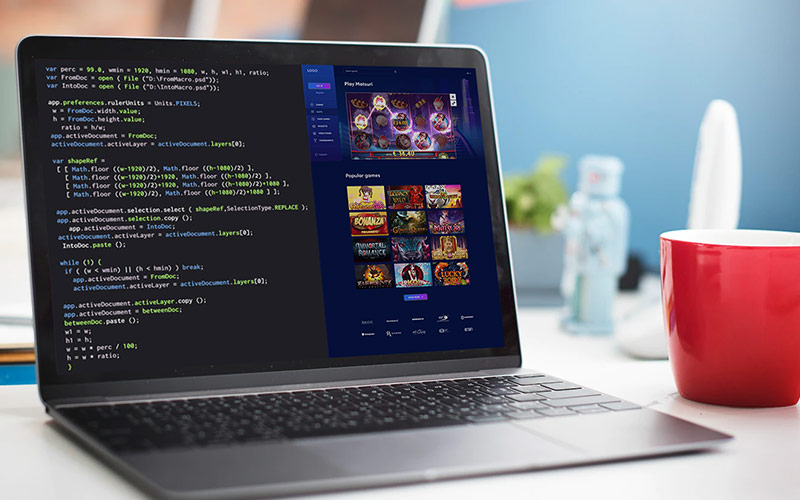
The platform is the operational backbone of the casino. It manages user accounts, games, payments, bonuses, reports, roles, support tools, and many other day-to-day processes.
A strong platform should not only provide a polished front end but also support different markets, traffic growth, compliance requirements, payment integrations, and future development.
A reliable casino platform should include:
- content management system;
- bonus and promotion tools;
- player account management;
- reporting dashboard;
- game management;
- anti-fraud tools;
- payment management interface;
- admin role settings;
- affiliate management software;
- retention tools;
- technical support.
Regular updates, hosting, monitoring, and maintenance are equally important. A software provider should continue supporting the platform after launch because going live is only the beginning of the project's life cycle.
Low-cost scripts may seem attractive to new entrepreneurs. However, they often create problems later through weak security, limited integrations, poor scalability, and costly fixes. A modular platform may require a higher initial investment, but it provides operators with a stronger foundation for long-term growth.
Payment Processing Setup
The cashier is one of the most critical parts of any online casino. Players expect deposits to be simple, withdrawals to be straightforward, and payment methods to feel familiar.
Operators need to connect the platform, payment gateways, banks, PSPs, local payment methods, fraud controls, and reconciliation tools into one well-managed payment flow. This setup should reflect the target market because financial habits vary significantly between regions.
Payment setup areas operators should define before launch:
- cards;
- bank transfers;
- e-wallets;
- instant transfers;
- vouchers;
- local currencies;
- crypto where permitted;
- chargeback management;
- fraud controls;
- reconciliation.
Payment risk should be planned from the outset. Failed payment attempts, suspicious deposits, chargebacks, stolen cards, and bonus abuse can all affect revenue and reputation. A well-designed cashier helps reduce friction, supports compliance, strengthens player trust, and makes expansion into new markets much easier.
Casino Marketing Strategy
A gambling platform needs visibility before it can generate revenue. That is why marketing should begin long before the platform goes live.
Competitor research is one of the strongest starting points. Operators should analyse leading brands in the target market, including their bonus strategy, content approach, affiliate presence, search visibility, payment messaging, and user journey.
A launch-ready marketing plan should cover:
- competitor research;
- brand positioning;
- SEO;
- paid traffic;
- affiliate partnerships;
- bonus policy;
- retention campaigns;
- CRM communication;
- pre-launch promotion.
The team should also define a clear value proposition. New brands enter a crowded market, so generic promises rarely work. Operators need a compelling reason why players should register, deposit, return, and recommend the platform.
If the business already has a land-based customer base, the strategy can include migration from offline to digital channels. Existing customers may become the first online users if the messaging, bonus structure, and account journey are simple enough.
Affiliate activity also deserves early attention. Partners can generate valuable traffic, but operators need tracking tools, commission structures, clear terms, and fraud controls before launching the programme.
How Long Does It Take to Launch an Online Casino
The launch timeline depends on the operator, software provider, licensing route, payment integrations, design scope, and the speed of feedback. Some technical tasks can be completed quickly, while legal and financial processes often take longer.
Typical stages of the launch process:
- business planning and market research;
- licence preparation and legal setup;
- software configuration;
- game and payment integration;
- design and brand customisation;
- bonus and feature configuration;
- testing and soft launch;
- full launch and the first optimisation cycle.
Platform setup itself may take several weeks or a few months. During this period, the provider configures the website, games, payment tools, bonus settings, design, and any custom features.
Operators can speed up the process by providing prompt feedback. Delayed approvals, unclear requirements, and late changes often push the launch date back.
Legal work should run in parallel. Licence applications, company registration, corporate banking, merchant accounts, and PSP agreements can become the slowest parts of the project. A White Label or turnkey solution may shorten some stages, but the business still needs a clear operational structure.
Running an Online Casino in 2026
Many successful casinos launch with a simple interface and a focused game library. They often expand later, once player behaviour becomes clearer. The real challenge, however, is building a reliable operation from the outset.
Positioning
The brand needs a clear position in the market. Operators should understand which audience they want to attract, how their offer differs from competitors, and what the platform stands for.
A vague identity makes customer acquisition more difficult. Clear positioning helps the team choose games, bonuses, tone of voice, visual style, traffic channels, and retention mechanics.
Game Portfolio
A new casino does not need thousands of titles on day one. It needs relevant content that matches the target audience and performs well across different devices.
HTML5 games remain important because they support mobile play and smooth access. Operators should focus on trusted providers, local preferences, loading speed, popular mechanics, and a balanced content mix.
Pre-launch Marketing
Marketing can begin before the public launch. The goal is to build early awareness, generate interest, prepare affiliate partners, and give potential players a reason to look forward to the brand.
Pre-launch activity may include media placements, landing pages, teaser campaigns, affiliate announcements, social media channels, and offline presentations where appropriate.
Player Support and Retention
The support team should be ready before the first players arrive. Users need help with registration, deposits, withdrawals, verification, bonuses, and technical issues.
The platform should also include FAQ pages, simple guides, clear terms, and demo options where appropriate. A smooth support experience can improve retention when users encounter confusion or friction.
Retention requires more than welcome bonuses. Operators should prepare loyalty programmes, reactivation campaigns, personalised offers, tournaments, and structured communication flows.
Affiliate Programme
Affiliate partners can become an important acquisition channel for online casinos. They help brands reach new audiences through reviews, content, comparison sites, communities, and paid traffic.
To manage this channel effectively, operators need affiliate software. It should track traffic, registrations, deposits, commissions, fraud patterns, and partner performance.
Additional Features to Consider
Modern casino platforms often offer much more than a basic slot lobby. Additional features can help brands reach broader audiences, increase engagement, and create more reasons for players to return. However, every feature should support the business plan. Extra functionality adds value only when it fits the target market and does not overcomplicate the launch.
Crypto Casino
Support for digital assets can attract users who prefer cryptocurrency, faster transactions, and alternative payment methods. This feature may be especially relevant in markets where crypto adoption is high and local regulations permit its use.
Operators should understand how cryptocurrency casinos work before introducing this option. Legal status, wallet security, price volatility, AML requirements, and payment provider rules all require careful assessment.
Jackpots
Large progressive jackpots have long been associated with casino entertainment. In digital casinos, they can strengthen engagement, improve retention, and support promotional campaigns.
Jackpot features can help support:
- higher player LTV;
- larger betting volumes;
- new player acquisition;
- retention of existing players;
- additional revenue opportunities.
Operators can use jackpot modules, tournament tools, or custom mechanics depending on the software package.
Sports Betting
Many casino brands add sportsbook functionality to create a more complete product. Sports betting can generate regular engagement, especially in football-focused markets.
A combined casino and sportsbook platform gives users more reasons to stay within a single ecosystem. They can play slots, join promotions, follow sporting events, place bets, and return for live betting.
This setup also supports cross-selling. Casino players can move into sports betting, while sportsbook users may later explore slots, tournaments, jackpots, or live casino products.
Cost of Launching and Running an Online Casino in 2026

There is no universal answer to the budget question. The final cost depends on the licensing model, software solution, target market, payment setup, game providers, marketing strategy, support team, and post-launch plans.
New operators should budget for at least the first year of operation. A business that spends its entire budget before launch may struggle to acquire players, test campaigns, pay partners, or provide customer support.
The main cost areas:
- platform setup;
- licence acquisition;
- legal services;
- game integrations;
- payment processing;
- marketing budget;
- affiliate programme;
- customer support;
- anti-fraud and compliance tools;
- hosting and technical support.
Pre-launch spending usually focuses on software, licensing, legal setup, design, payment integration, and initial marketing. After launch, costs typically shift towards player acquisition, retention, affiliate commissions, customer support, maintenance, and compliance.
One of the biggest mistakes is leaving financial planning until after the website has been built. Financial modelling should take place before any major commitments. Operators need to understand expected costs, revenue scenarios, margins, and key risks in advance.
For a new business, the initial investment can feel substantial. Established land-based or digital operators may already have brand recognition, existing customers, payment partners, or in-house teams. New entrants usually require more preparation because they need to build trust and acquire traffic from scratch.
Online Casino Launch with 2WinPower
Project development includes many moving parts, and managing them alone can become difficult for a first-time operator. The team needs software, games, payments, localisation, compliance logic, marketing preparation, and post-launch support.
2WinPower helps entrepreneurs and companies enter the iGaming market with turnkey and White Label solutions. This type of cooperation can reduce technical pressure, shorten the setup path, and give the operator a clearer route from idea to release.
The right partner should be able to provide all the necessary tools to build a complete website. It should also help the business prepare the platform structure, integrate suitable content, connect essential tools, and adapt the product to the target audience.
The Main Things about an Online Casino Development in 2026
A project launch can become a profitable business direction, but only when the operator treats it as a structured project. Every part of the setup should support legal access, player trust, stable payments, and long-term growth.
The main points to remember:
- A successful online casino launch starts with market research and a realistic first-year plan.
- Licensing and compliance should shape the business model before the platform goes live.
- Reliable software, payment processing, and support tools matter more than a huge game lobby at the beginning.
- Marketing, retention, and affiliate strategy should be ready before the first player arrives.
- Long-term growth depends on careful operations, steady optimisation, and the right technology partner.
- e-mail: info@2wpower.com
- Telegram: @Win2Power
Please be careful! We have noticed that scammers are using our contact details to deceive customers.
For security reasons, please use only the contact information provided on the page https://2wpower.com/en/feedback
Our company is not responsible for the actions of fraudsters.








 DEMO
DEMO